

English Nursery School in Bergamo
From six months to the doors of Primary School, the whole day runs in English with qualified native teachers, on the British Early Years curriculum. Children learn the way they learn best at this age: by playing.
Every hour of the day happens in English, spoken by native teachers.
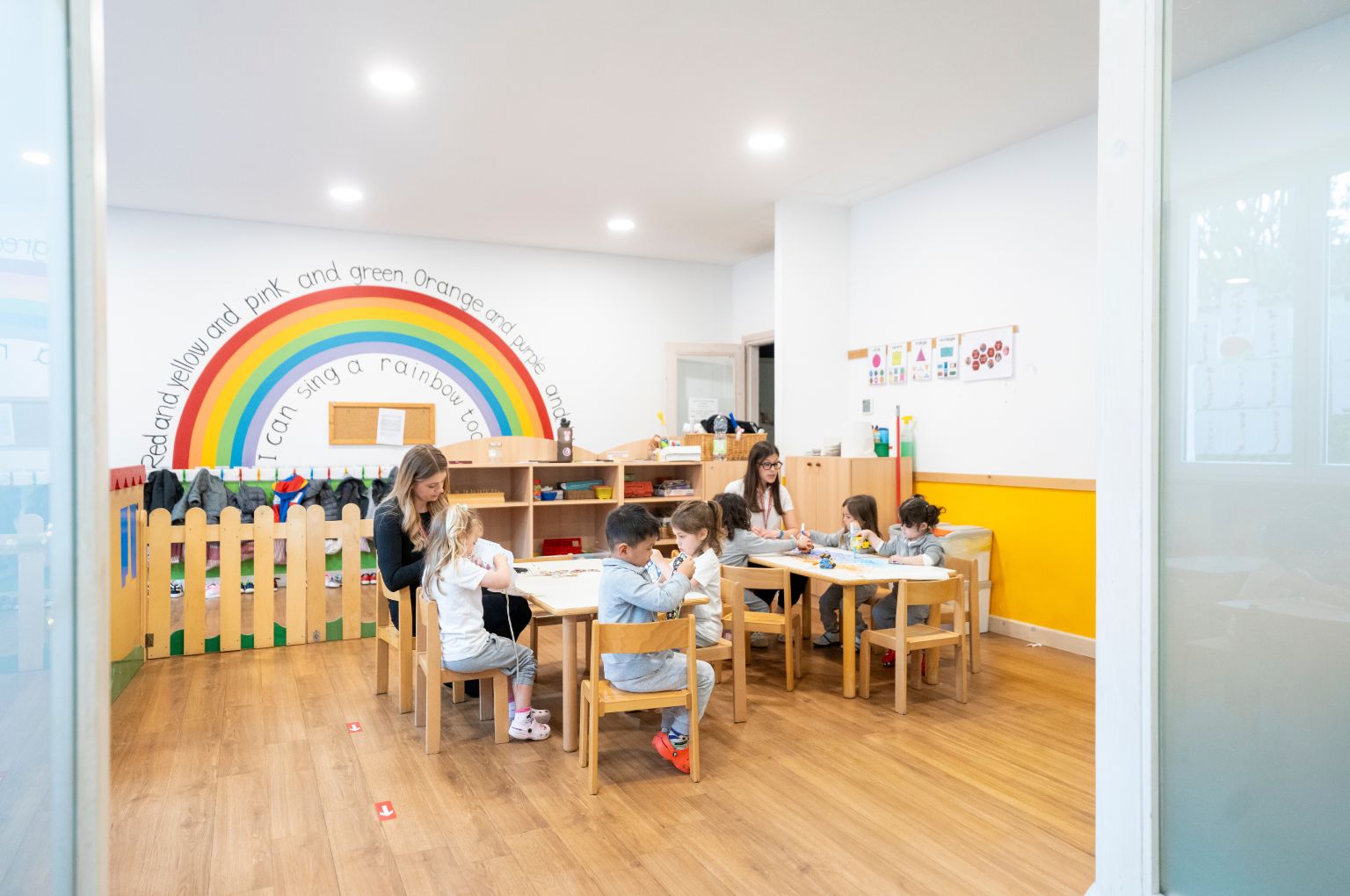
English is the only language of the day, from the welcome in the morning to the last song in the afternoon. Every teacher is a qualified early-years educator who is a native English speaker or fully bilingual, and every adult in the building speaks English to a certified high level.
- Nido section · 6 months to 2 years — the youngest children, in a space of their own
- Kindergarten · 2 to 3 years, and Little Ones · 3 to 4 years — the years Italy calls scuola dell’infanzia
- Mini Transition · 4 to 5 years — logic and early maths make their first, playful appearance
- PY1, Primary Year 1 · 5 to 6 years — the final Nursery year carries Primary’s name because that is its job: run on the British model, it opens straight into Year 1
BBS was founded in Bergamo in 2011 by Patrizia Canzoneri. The Nursery is the first step of a school that runs to age 18 and is state-recognised, paritaria, from Primary School onwards.
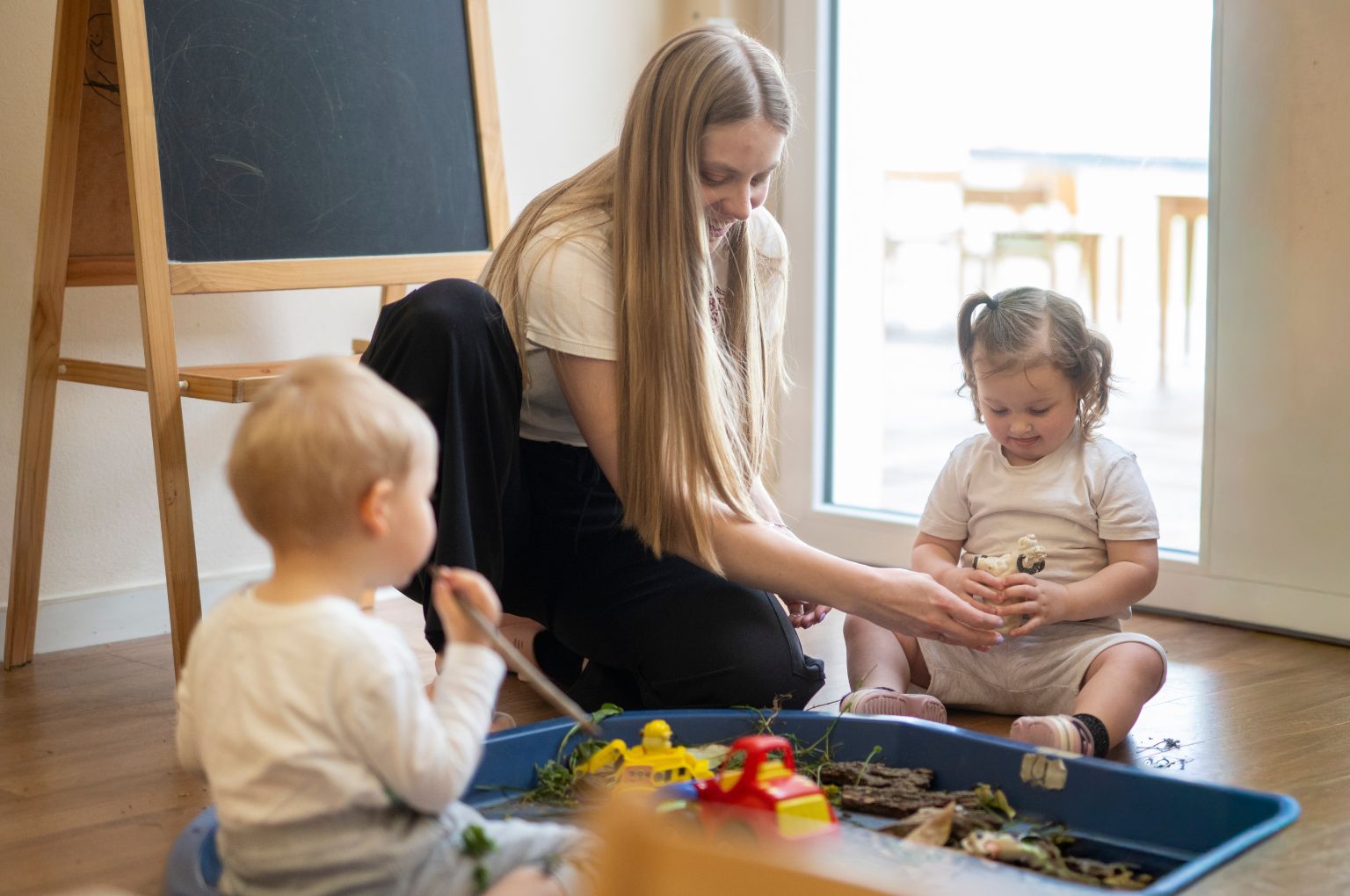
The British Early Years curriculum, paced for children growing up in Italian.
The day is organised on the EYFS, the Early Years Foundation Stage, the same framework every early-years school in Britain follows, built on seven areas of learning. BBS teaches all of it, and spreads the topics over a longer arc than a school in London would, because our children hear English at school and Italian everywhere else. Every child keeps up, and the English sticks.
By age five, children read their first English words and run their first science experiments.
Learning to read starts long before it looks like reading. Phonics begins at age three, one sound at a time. In the last two years, children work on reading and writing readiness through a range of phonics and early-reading methods, the kind British schools use, and meet their first Cambridge maths and science concepts, the ones their Primary classmates will pick up from Year 1.
- Phonics from age three, built up gradually so every child keeps pace
- Phonics teaches English the way the language works: by sounds, through games, songs and movement
- The first Cambridge concepts arrive in Nursery, so Year 1 starts on familiar ground
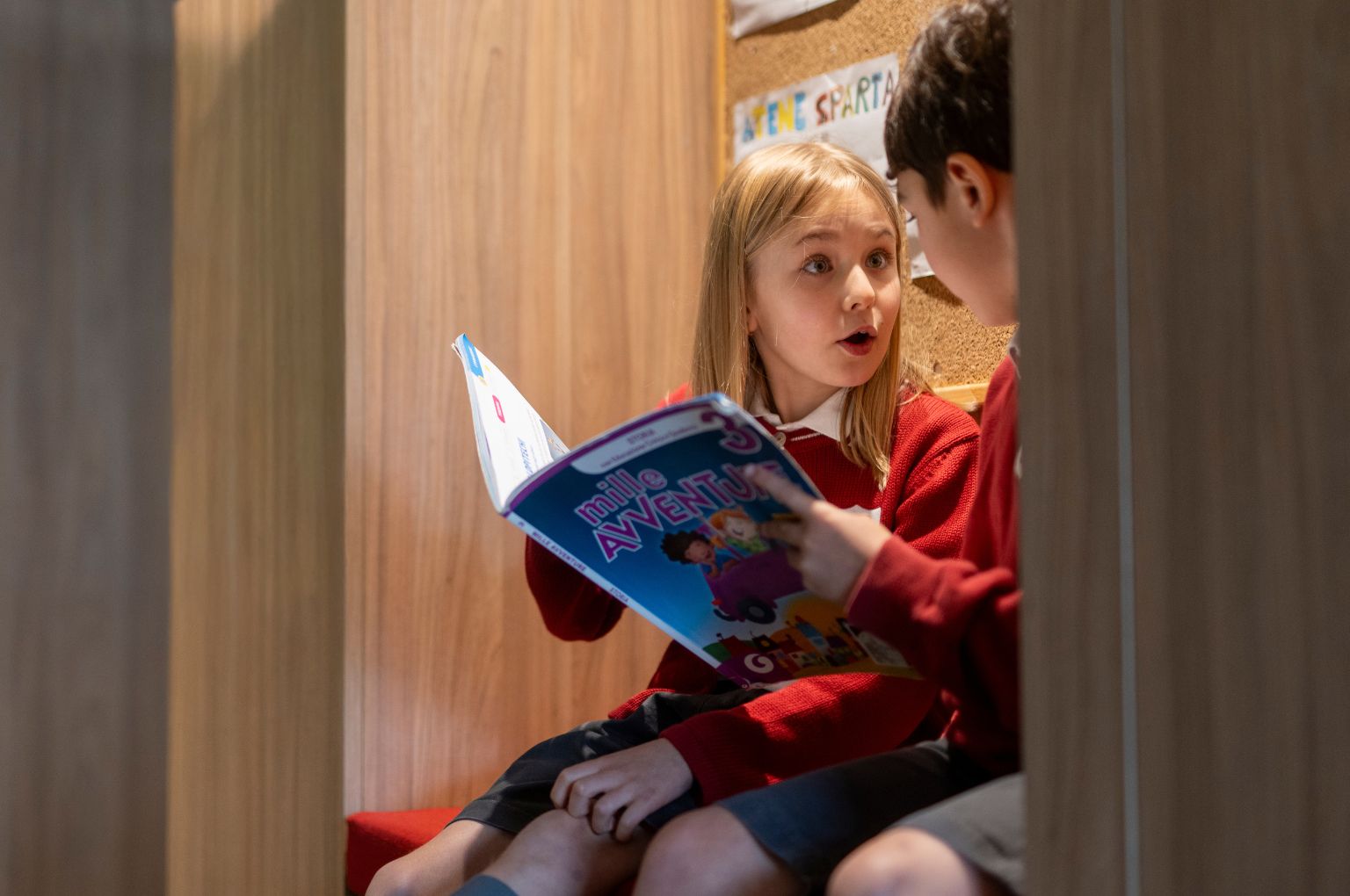
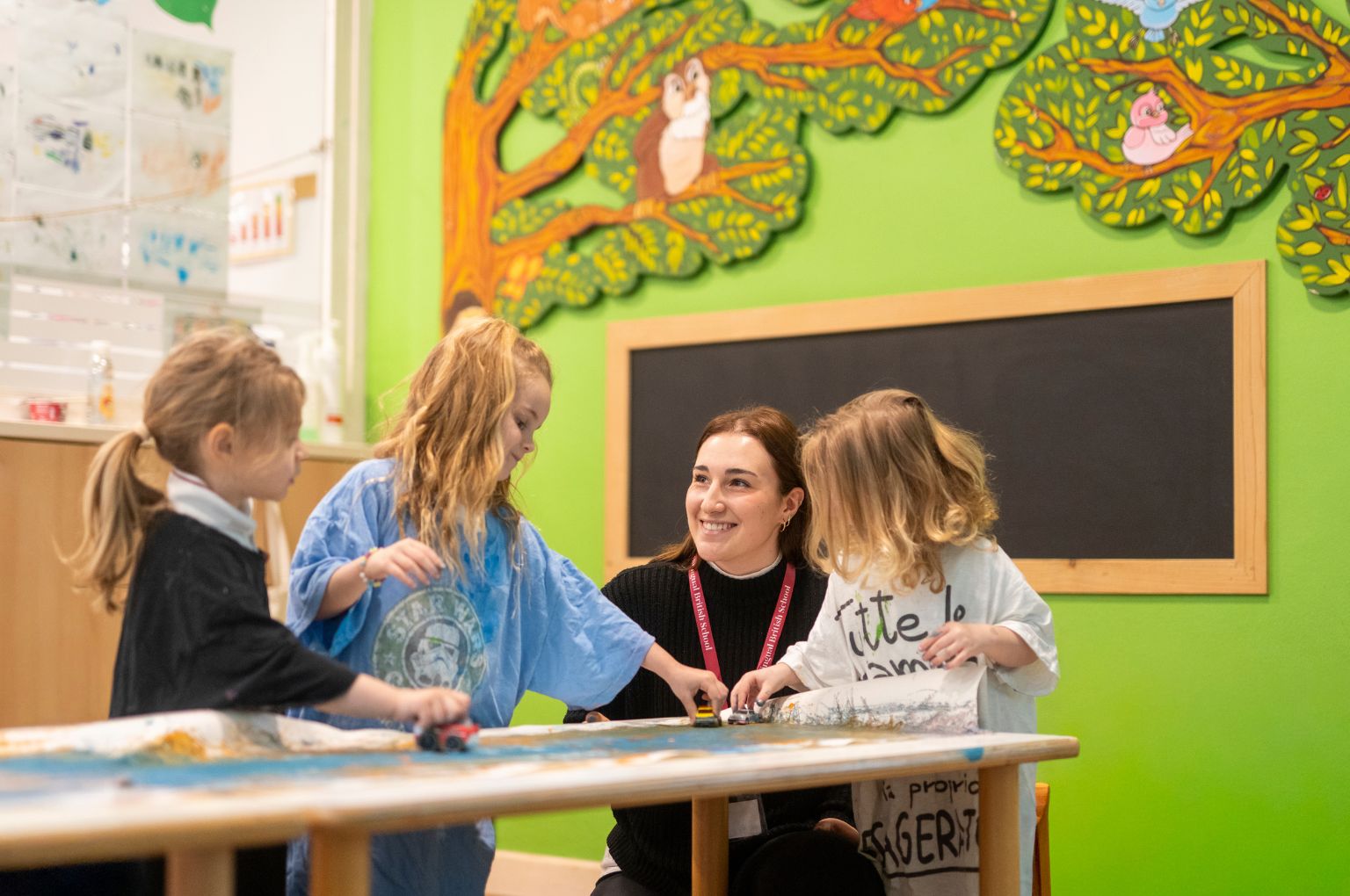
Children learn through play, in rooms designed for it.
Play is the working method here, planned week by week by the teachers. The rooms themselves are part of the teaching: there are spaces set up for role play, for sensory exploration, for building, for early logic. Teachers observe, join in and stretch each child at their own pace.
- Weekly play-based activities designed by specialist early-years teachers
- Academic goals woven in through small groups, under the teacher’s close eye
- Interdisciplinary themes that catch children’s interest and carry learning across areas
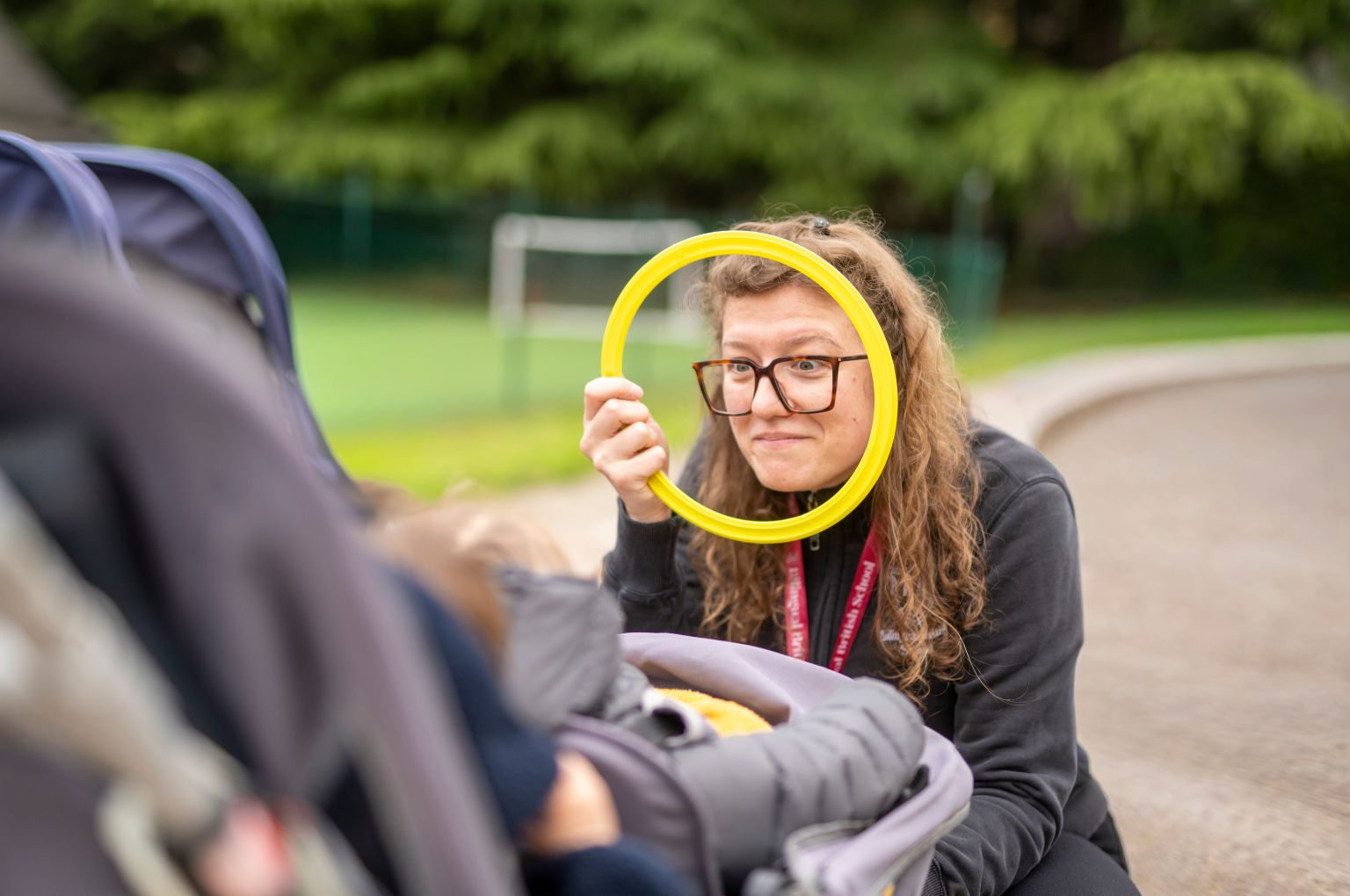
The youngest children get the school’s warmest attention.
Personal, social and emotional development is one of the seven areas of the curriculum itself: at this age, feeling safe is the ground every other kind of learning stands on. Each age group has its own routines, its own spaces and teachers attentive to what each stage of early childhood needs.
- Early-years specialists, native English speakers or fully bilingual
- They interact with children in English only, with warmth doing most of the talking
- Objectives and activities aligned with the Primary School teachers, so each year prepares the next
- A specialist who works with children, teachers and parents across the whole school
- Meetings, talks and workshops for families through the year
- Available one to one, from the very first years
Small children, small groups, familiar faces · every day in the same caring hands
Cooking, gardening, music, drama, swimming: a week here is full of things worth doing.
The English arrives inside things children love. A week moves through storytelling, cooking, gardening, arts and crafts, music, drama and dance, gymglish, which is what the children call gym in English, and swimming.
- Music has its own teachers from the Scuola dell’Infanzia onwards: the school choir and the shows children join later all start here
- The vegetable garden and the Nursery Garden put learning outdoors, in every season
- Physical education happens mostly in the open air, in the school’s own park
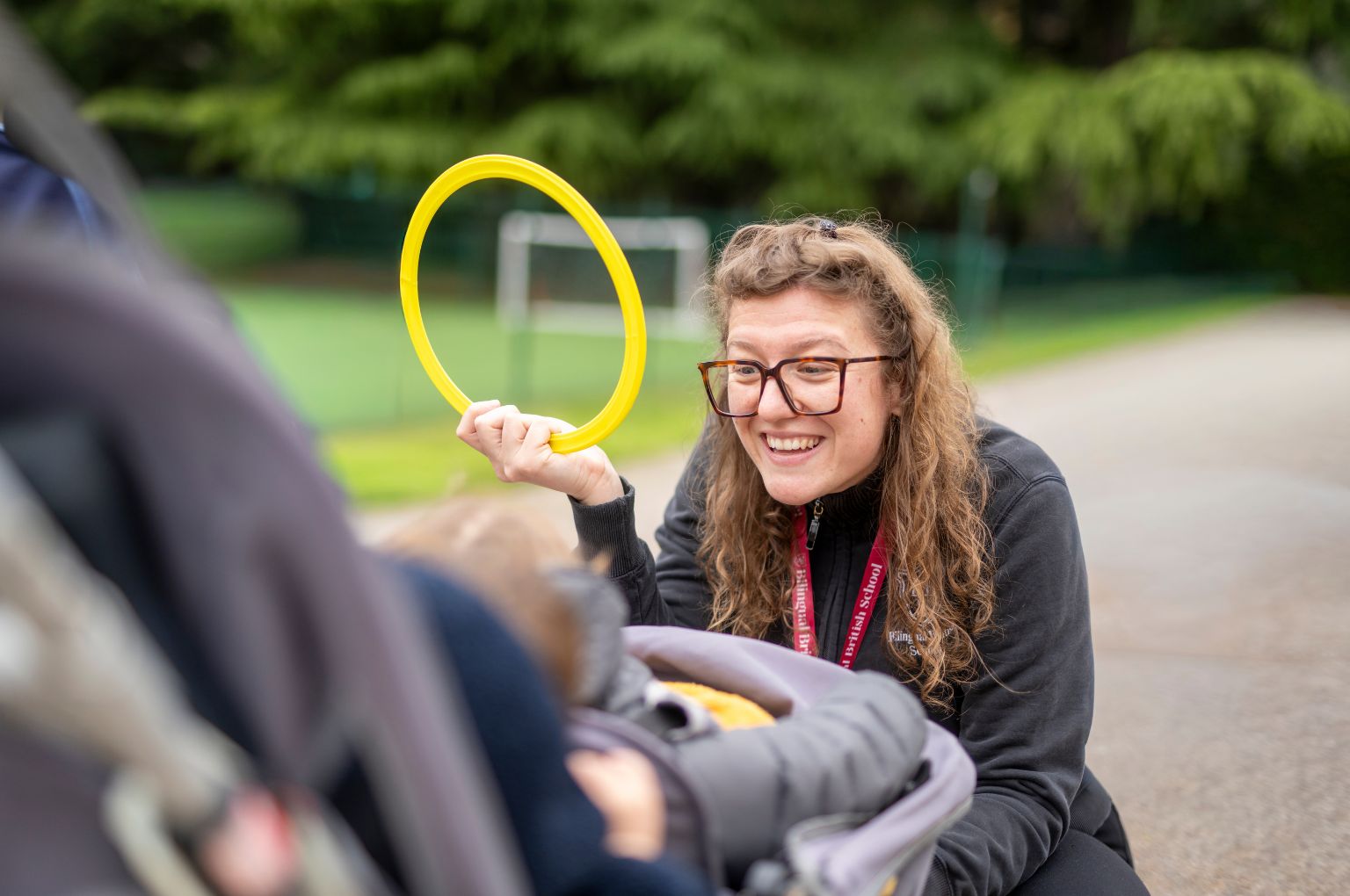
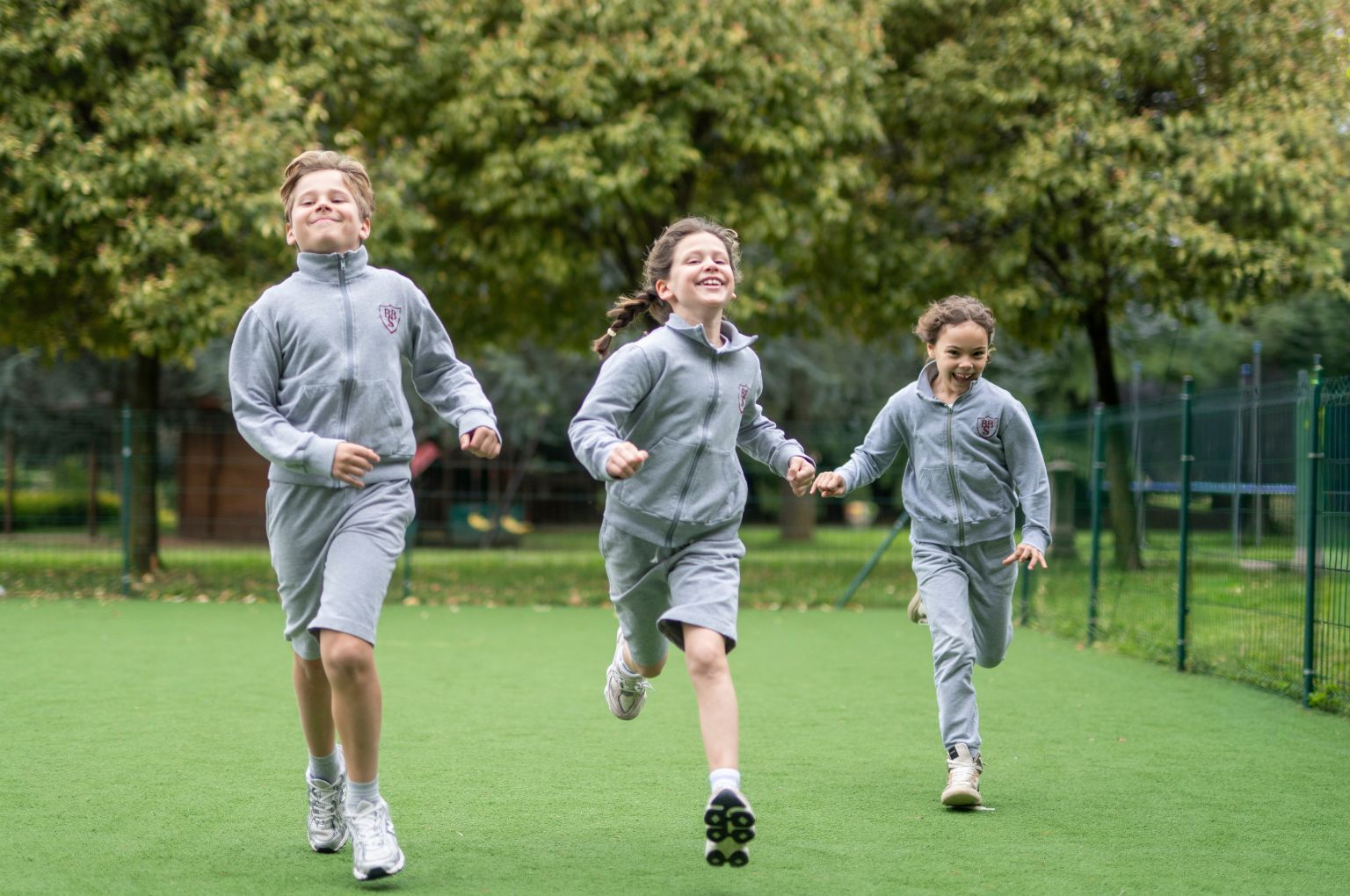
A garden of their own, inside 18,000 square metres of park.
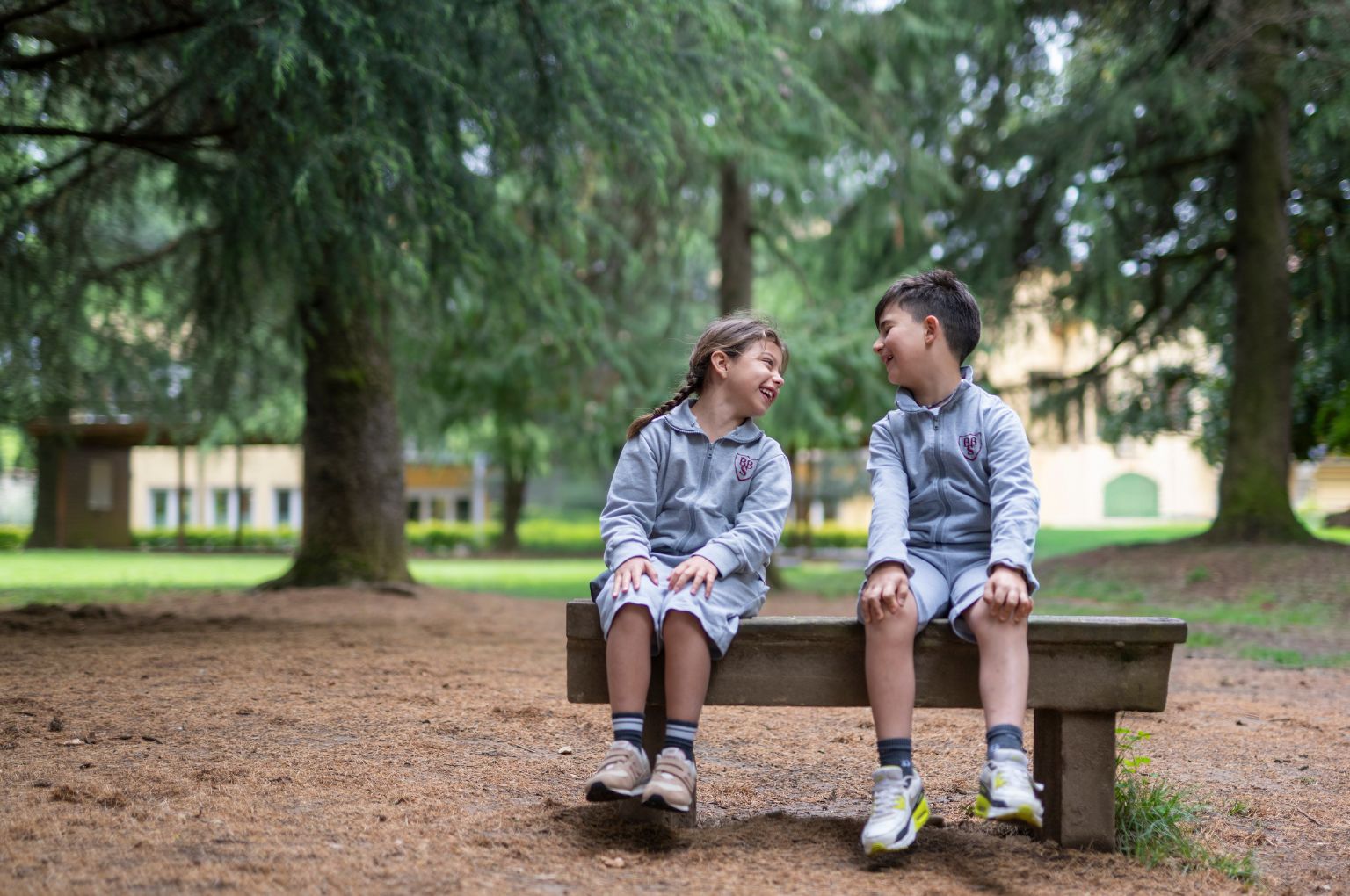
The Nursery School lives in BBS’s historic site at the foot of the Scanzorosciate hills, sharing the estate with the Primary School: a classical villa with a vaulted portico, surrounded by 18,000 square metres of park with hundred-year-old trees. The Nursery has its own garden, sized and equipped for the smallest children.
- School buses serve the Bergamo, Brescia and Milan areas
- The campus is at Via Pietro Piccinelli 10, Scanzorosciate, Bergamo
- The canteen cooks balanced meals with organic, zero-km ingredients
- Special diets covered on medical certification
- An 11-month year: 1 September to 30 July
- A summer camp entirely in English, with native-speaker teachers, on this same campus, grouped by age and level
Nursery ends with a place waiting in Year 1 at BBS Primary.
Children who complete BBS Nursery are admitted directly into BBS Primary School, in the same estate, with teachers whose work is aligned year by year with the Nursery’s. They arrive in Year 1 reading their first English words, at home in the language and at home in the place.
- Direct admission for BBS Nursery children
- The full Italian primary programme and the Cambridge curriculum, side by side
- 80% of the week in English in Years 1 and 2
Joining starts with a conversation, and ends on the first day of school.
The first step is a conversation about your child. Fees are on our Admission and Fees page.
Questions families ask.
Come and see it for yourself.
Tell us your child’s age and our admissions team will arrange a visit: you will see the garden, the rooms mid-morning, and hear how naturally a two-year-old answers to English on an ordinary day.
Via Pietro Piccinelli 10, Scanzorosciate (BG) · bbschool.it

